 Campaign for Patient Access


A national public affairs campaign launched by the American College of Cardiology in December 2009 to oppose Medicare physician fee schedule cuts affecting cardiology patients and practices.
About the Campaign
The Campaign for Patient Access was launched by the American College of Cardiology in December 2009 as a national effort to reverse Medicare physician fee schedule cuts that threatened cardiovascular care. The site provided background on the issue, the ACC's legislative and legal response, resources for patients and practices, a newsroom tracking coverage across the country, and ways for supporters to share their stories and support the campaign.
From the Newsroom
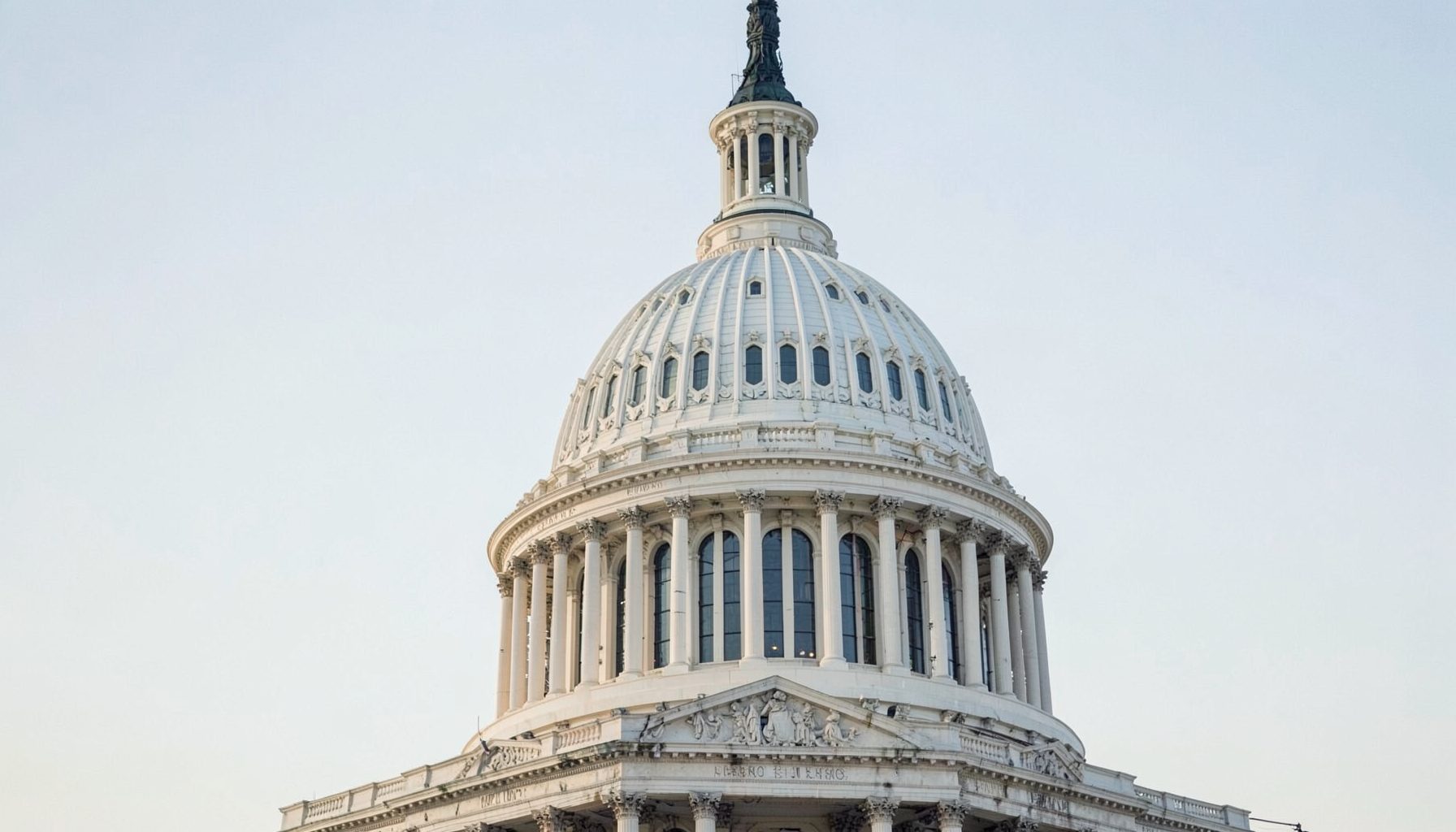
Medicare Meltdown: Access to Health Care in "Critical Condition"
A press release warning that cardiology access was in critical condition due to Medicare payment cuts.
Read more
Cardiology Takes Legal Action Against Medicare
The ACC filed suit against HHS Secretary Kathleen Sebelius over the 2010 Physician Fee Schedule.
Read more
ACC Statement on Health Care Reform
The ACC used the State of the Union address to highlight the need to reverse the Medicare cuts.
Read more
Medicare Patients and Physicians Join Petition Drive
Patients and physicians in Washington, DC joined a petition drive calling on Congress for Medicare reform.
Read moreTurning patient voices into policy influence in Australian cardiology
When federal members gather in their Canberra offices to weigh up competing demands on the health budget, the most persuasive argument is rarely a graph from a consultancy deck. It is the quiet voice of a patient who can describe, in their own words, what happened when access to cardiac care was withdrawn or delayed. Patient testimonials have long been recognised as a bridge between clinical data and political decision making, and nowhere is that bridge more relevant than in Australian cardiology, where the interaction between Medicare, private health insurers and hospital funding shapes everyday outcomes for heart patients.
Australia's health system mixes universal coverage through Medicare with a parallel private system supported by funds such as Bupa, Medibank, HCF and NIB, alongside state-run public hospitals. When a Medicare Benefits Schedule review touches on cardiac imaging or consultation items, the financial impact cascades into out-of-pocket costs, specialist waitlists and rural service viability. Lawmakers from electorates ranging from Sturt in South Australia to Cowper in New South Wales routinely hear from constituents waiting months for stress echocardiograms or repeat coronary reviews, and those first-hand accounts shape the questions they put to the Health Minister in Question Time.
The task for advocacy organisations, practice managers and clinician leaders is to convert those lived experiences into compelling, structured material that holds up in a ten-minute meeting with a federal member's adviser. Below is a practical approach, developed with Australian cardiovascular networks, that elevates a single patient story into a credible contribution to the policy record.
Choosing the right patient to feature
A strong testimonial begins long before anyone sits down to write a script. Selecting a patient who feels comfortable speaking about their condition, understands the policy hook and represents a demographic visible to the elected representative is the foundation of the whole exercise. A Liberal backbencher in a coastal Queensland electorate may engage more easily with a retiree in Noosa than with a young professional from inner Melbourne, while a Labor MP in western Sydney might connect with a working parent juggling shift work and cardiac follow-up.
Privacy safeguards matter. Written consent, a defined scope about where the story will be used and a written brief on what will not be shared with the MP's office protect both the patient and the advocacy group. Australia's Privacy Principles under the Privacy Act 1988 impose real obligations on how health information is handled, and any recorded interview used in a brief should be stored in line with those requirements. Patients should know they can decline any question on family medical history, mental health or finances, even when those topics seem relevant.
Demographic breadth also matters. Heart disease affects culturally and linguistically diverse communities in significant numbers, and interpreting services funded through the Translating and Interpreting Service can be arranged for meetings where language is a barrier. Keeping a short list of two or three patients, each from a different community or region, gives the advocacy team flexibility if a scheduled meeting is rescheduled.
Building a story that travels beyond the anecdote
Once a patient is on board, the next task is to shape the narrative so the policy context is unmistakable. Letting the clinical timeline dominate the telling leaves the lawmaker with information they could have read in any clinical journal. A more effective structure places the policy ask inside the patient's journey: diagnosis, referral pathway, wait, out-of-pocket cost or travel burden, and eventual outcome. Each beat anchors the experience to an MBS item number, a state health program or a service gap such as the closure of a regional echocardiography list.
The opening sentence should answer the question the MP is paid to care about: what changed for the constituent because of the policy setting under discussion. Vivid but accurate language, drawn from the patient's own phrasing, holds the room better than polished prose. Where clinical terms are unavoidable, the patient should be coached on a plain-English version: "heart failure" instead of "left ventricular systolic dysfunction", "echo" instead of "transthoracic echocardiogram". Dual preparation lets the same patient speak confidently in a Canberra committee corridor or a Bankstown community forum.
The question of emotional tone often arises. A measured mention of fear, frustration or relief gives the story its human weight. The goal is dignified honesty, reminding a policymaker that a constituent sits behind every line of Medicare data.
Securing meetings with federal and state representatives
Australian advocacy is layered. Federal Parliament in Canberra decides MBS settings, the Medicare rebate schedule and the private health insurance rebate, and direct access to members and senators can be arranged through electorate offices in capital cities and regional centres. State parliaments in Sydney, Melbourne, Brisbane, Perth, Adelaide and Hobart hold authority over public hospital funding, outpatient clinic design and local clinical networks. Identifying the right chamber for the specific ask saves months of misdirected effort.
A meeting request should arrive by email with a one-page brief attached. The brief needs three components: the policy position, the patient voice and the requested action. A meeting in a member's Canberra office gives visibility; many productive encounters happen in the local electorate office where staff know the patient or family. Follow-up phone calls are standard, and persistence across a two-to-three-week window often secures the slot. Bringing the patient in person or via a teleconference link arranged through the office turns a briefing into a conversation.
Working with cardiology practices across the country
Cardiology practices in Australia range from large hospital departments at Royal North Shore or the Royal Melbourne to single-consultant rooms in towns like Ballarat or Cairns. Each setting has a different capacity to support advocacy work. Larger practices often have a designated engagement lead and can arrange multiple patients for a scheduled Canberra visit. Smaller rural practices tend to run tighter rosters but offer stories of workforce pressure, fly-in fly-out specialist shortages and outreach clinic closures, all of which carry weight with regional MPs.
Practices can maintain a register of consenting patients, refreshed annually, noting which policy questions each is best placed to address. When a Senate inquiry submission window opens, the practice can respond with a relevant voice rather than scrambling.
Following up after the meeting has ended
A meeting without follow-up is largely wasted effort. Within forty-eight hours the advocacy team should send a thank-you note summarising the points raised, restating the requested action and offering the patient for any future parliamentary event. Over the following months, periodic updates about progress on the policy issue keep the office engaged and give the MP a reason to raise the matter inside their party's policy committee.
Digital follow-up can be light-touch but consistent. Short email briefings during sitting weeks, invites to a clinic open day and recordings of the testimonial (with consent) for office staff briefings all reinforce the relationship. Members of Parliament cycle through advisers quickly, so repeating the story with each new staffer is sometimes necessary.
Adapting the approach to different political audiences
Not all audiences respond to the same format. A short face-to-face meeting in a federal member's office often rewards a two-page summary the patient can hand over. A public hearing at a state parliamentary inquiry may run for hours and benefit from a concise three-minute opening statement followed by calm, prepared responses to questions. Health ministers and shadow ministers often want headline statistics alongside the story, so pairing the patient with a clinician spokesperson is useful.
Timing also shapes what resonates. During a federal budget lead-up, MPs are hungry for cost-of-living pressure on health bills. Mid-year is a stronger window for clinical access issues tied to hospital performance data. State-level representatives tend to respond to local workforce shortages and travel-cost stories, particularly when constituents face long drives from places like Dubbo, Alice Springs or Burnie. Tailoring the same testimonial to the calendar of the relevant parliament improves the chance of media pickup and follow-through.
| Format | Emotional impact | Logistical effort | Policy specificity | Best suited to |
|---|---|---|---|---|
| Written brief with patient quote | Moderate | Low | High | First adviser contact; email follow-up |
| In-person patient at MP's office | High | Moderate | Moderate to high | Confirmed meeting; local electorate office |
| Pre-recorded video under five minutes | High | Moderate | Moderate | Adviser briefings; committee submissions |
| Live teleconference or video call | Moderate | Low to moderate | Moderate | Regional MPs; last-minute rescheduling |
| Public hearing appearance | High | High | Variable | Senate inquiries; state parliamentary committees |
Recommendations for advocacy coordinators
- Brief patients on the policy question before the meeting, with a printed sheet they can keep in front of them during the conversation.
- Pair each patient with a clinician or practice manager who can answer technical questions without the patient feeling exposed.
- Use the Translating and Interpreting Service where language is a barrier and confirm bookings through the MP's office ahead of time.
- Send a one-page brief three working days before the meeting so the adviser can prepare and flag conflicts with existing party commitments.
- Keep a rolling register of consenting patients, refreshed yearly, noting the specific policy hook each patient can speak to.
- Follow up within forty-eight hours with a thank-you note, the policy ask restated and an offer of the patient for further engagement.
Across Australia, thousands of cardiac patients sit in waiting rooms from Parramatta to Penrith, from Hobart's Royal to Perth's Sir Charles Gairdner. Each holds a story that, placed in the right hands at the right moment, can shift the terms of a policy debate. Patient testimonials are not a substitute for rigorous policy analysis; they are the human reference point against which that analysis must be tested. Practices, patient groups and clinicians willing to prepare, travel and follow up will find their constituent voices carry further than any paid campaign. Start with one prepared patient, one targeted MP and a clear policy ask, and the rest of the advocacy muscle grows from there.